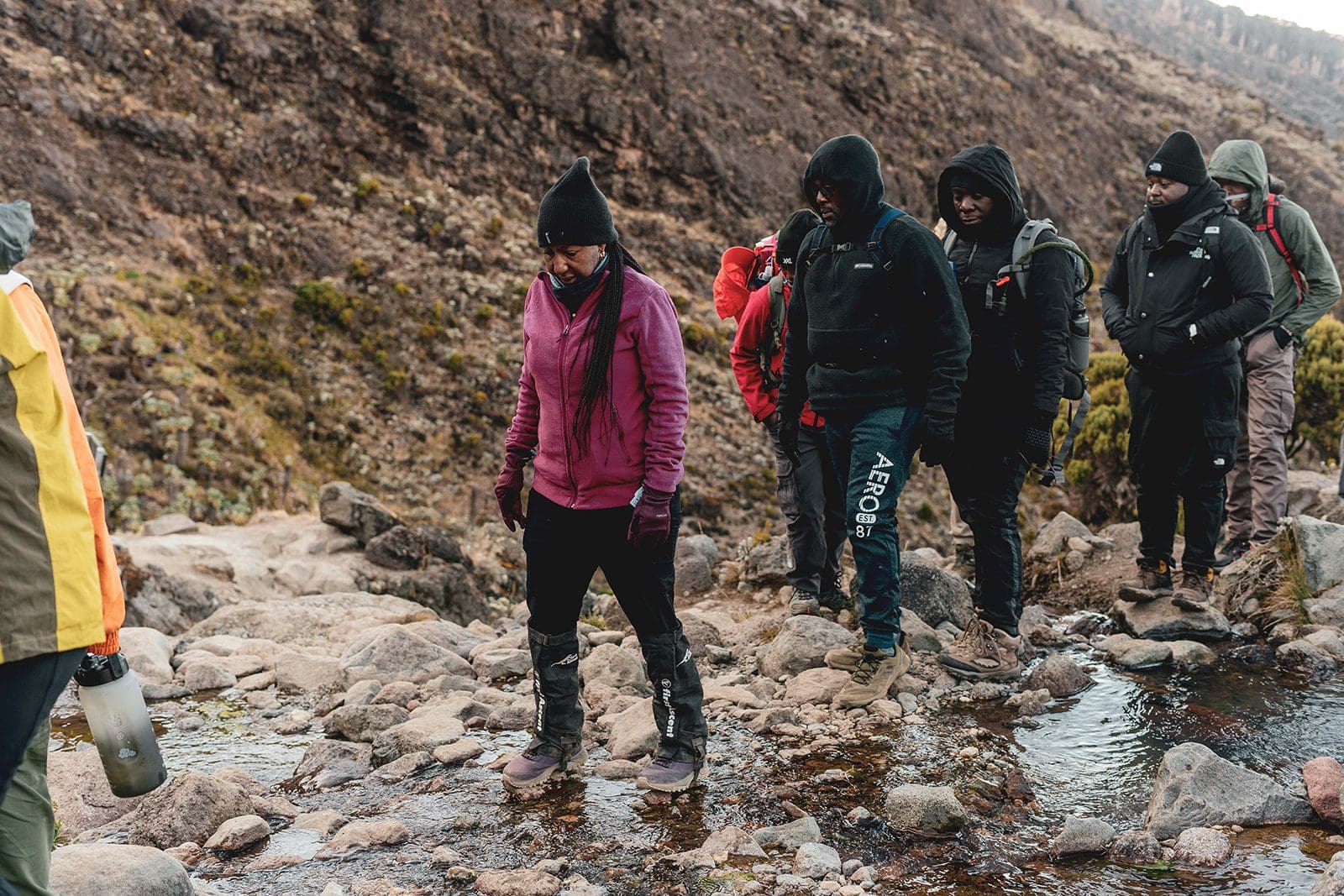

Climb Mount Kilimanjaro with Ahsante Tours

Expert-guided treks on Africa’s tallest mountain. Explore the best routes, tips, and resources to make your climb unforgettable

Mount Kilimanjaro: A Journey to the Roof of Africa

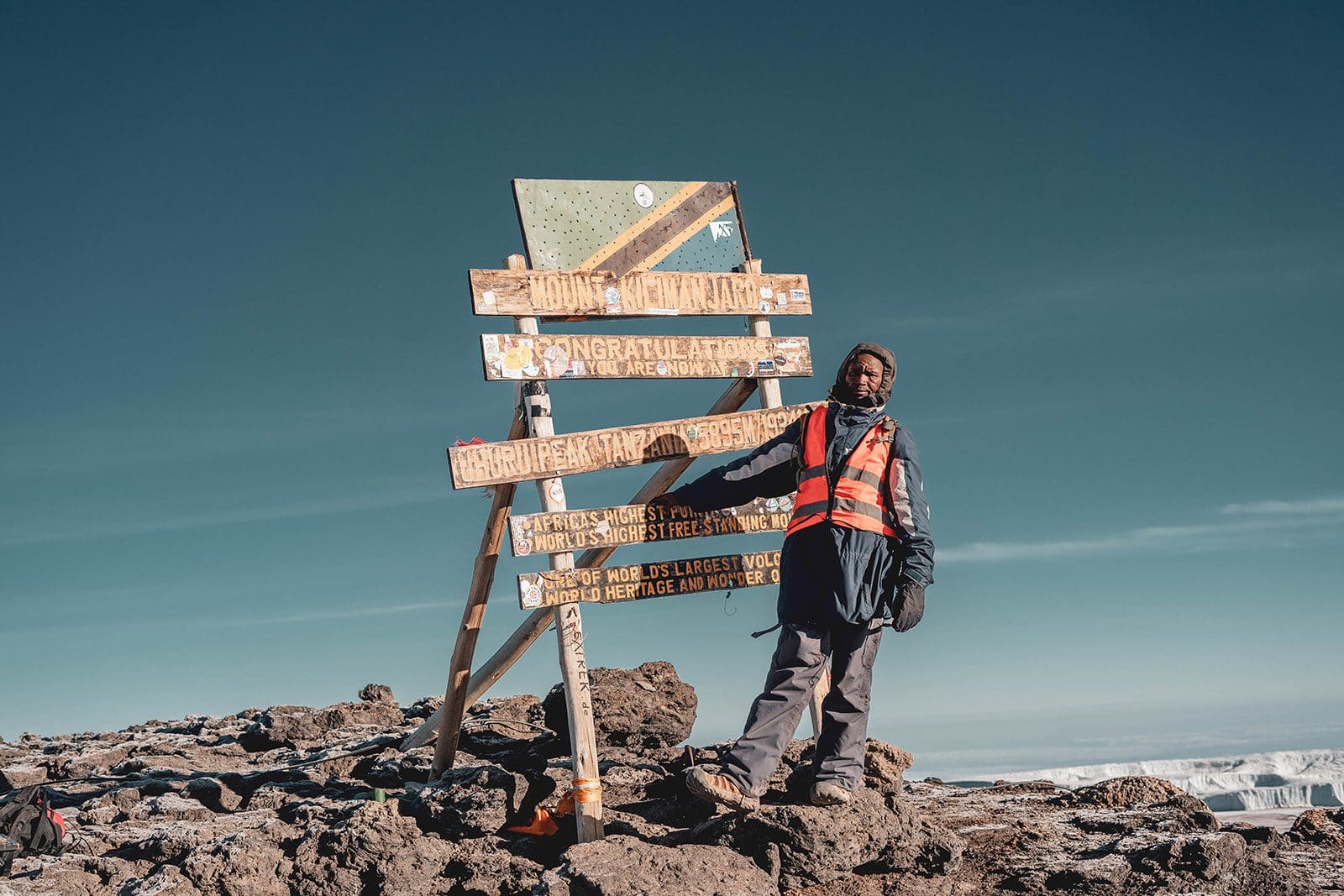
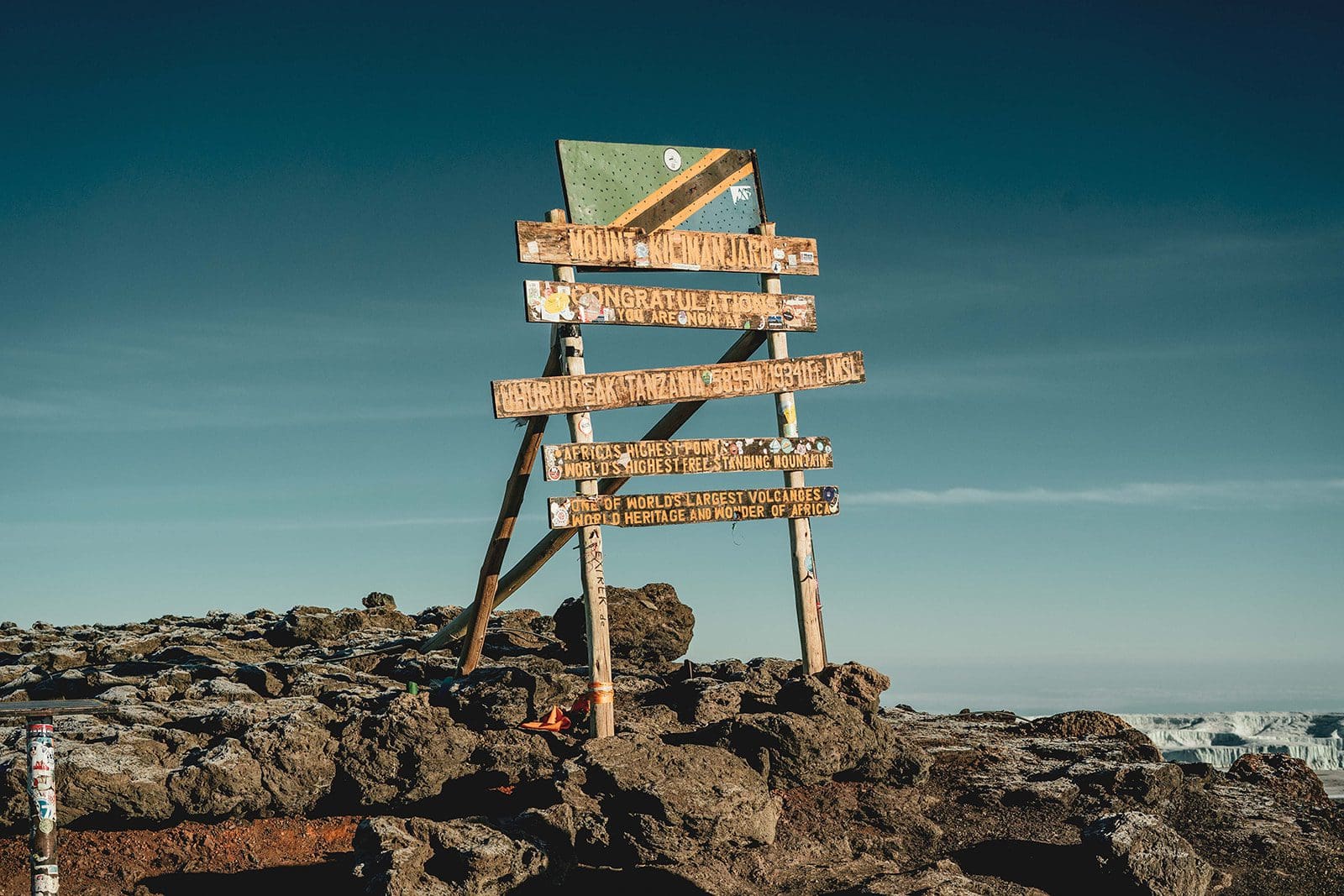
Mount Kilimanjaro, situated in Tanzania near the Kenyan border, is not only the tallest mountain in Africa but also holds the distinction of being the worldโ€™s tallest free-standing mountain, towering 5,895 meters (19,341 feet) above sea level. Known for its breathtaking landscapes, the mountain features five distinct ecological zones, ranging from lush rainforests at its base to alpine deserts and glaciers at its summit.
A UNESCO World Heritage Site, Kilimanjaro attracts over 50,000 climbers annually from around the globe, who are drawn to its unique combination of physical challenge and natural beauty. The mountain offers several climbing routes, including the popular Machame and Marangu paths, catering to varying levels of difficulty. Despite being a non-technical climb, summiting Kilimanjaro requires preparation to deal with altitude sickness and unpredictable weather conditions. The mountain also holds cultural and spiritual significance for local Chagga communities, who have long revered it as a sacred landmark.

Your Trusted Partner for Kilimanjaro Adventures

Our Expertise

Awards & Recognitions

Our Commitment to Sustainability

Safety First

TANAPA-AWARD-2022

TANAPA AWARDS

Best Tour Operator for Mawenzi Peak Technical Climbs -2020

cxN6d23_400x400

Tanzania's Leading Tour Operator

Nominee for 4 Years in a row since 2019 to 2023
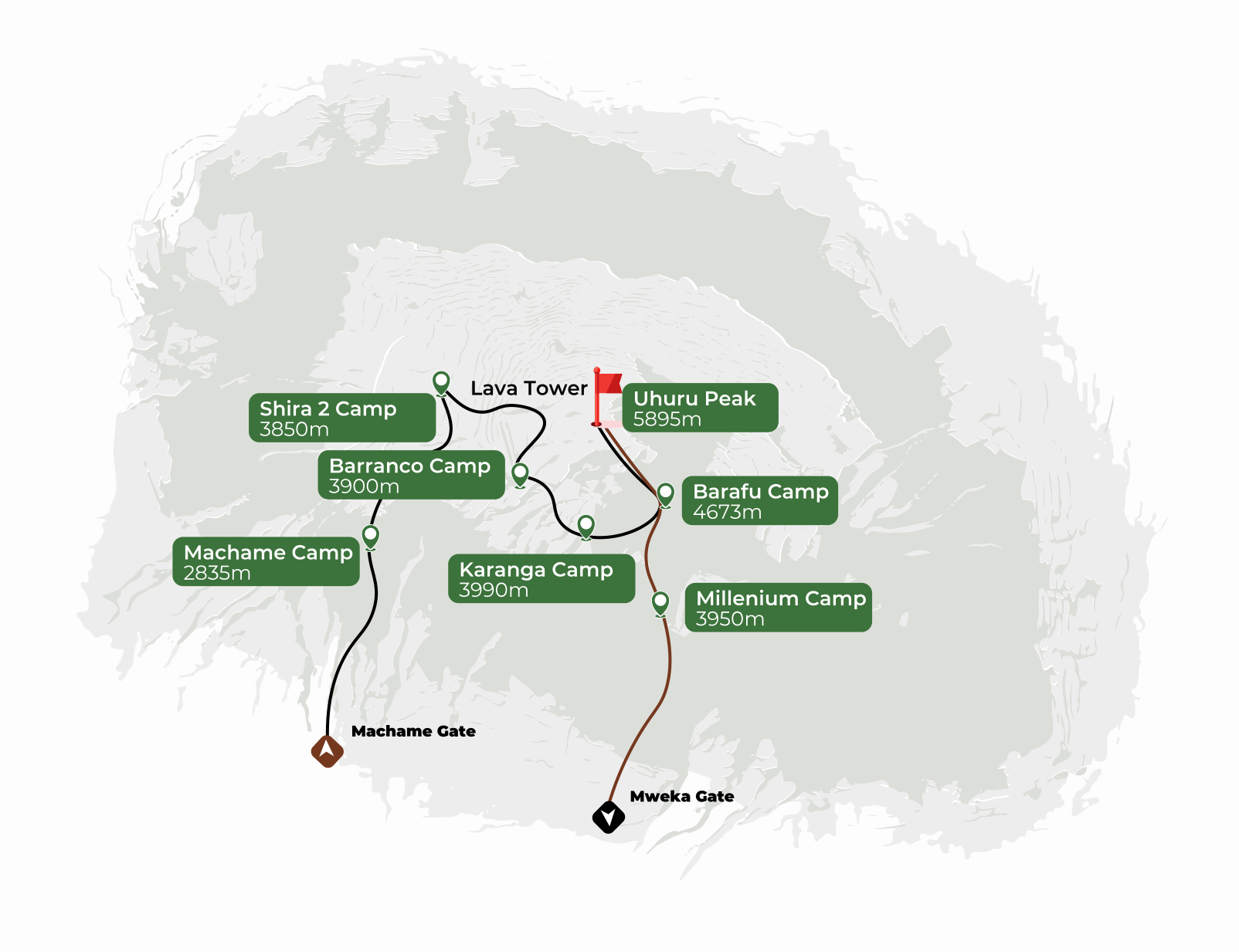
Find the Perfect Kilimanjaro Route with Ahsante Tours

Ahsante Tours offers guided climbs on all major Kilimanjaro routes, tailored to your skill level and preferences.

Machame Route

Duration: 6-7 Days
Difficulty: Moderate
Scenery: Scenic & diverse
Best For: Popular for beginners

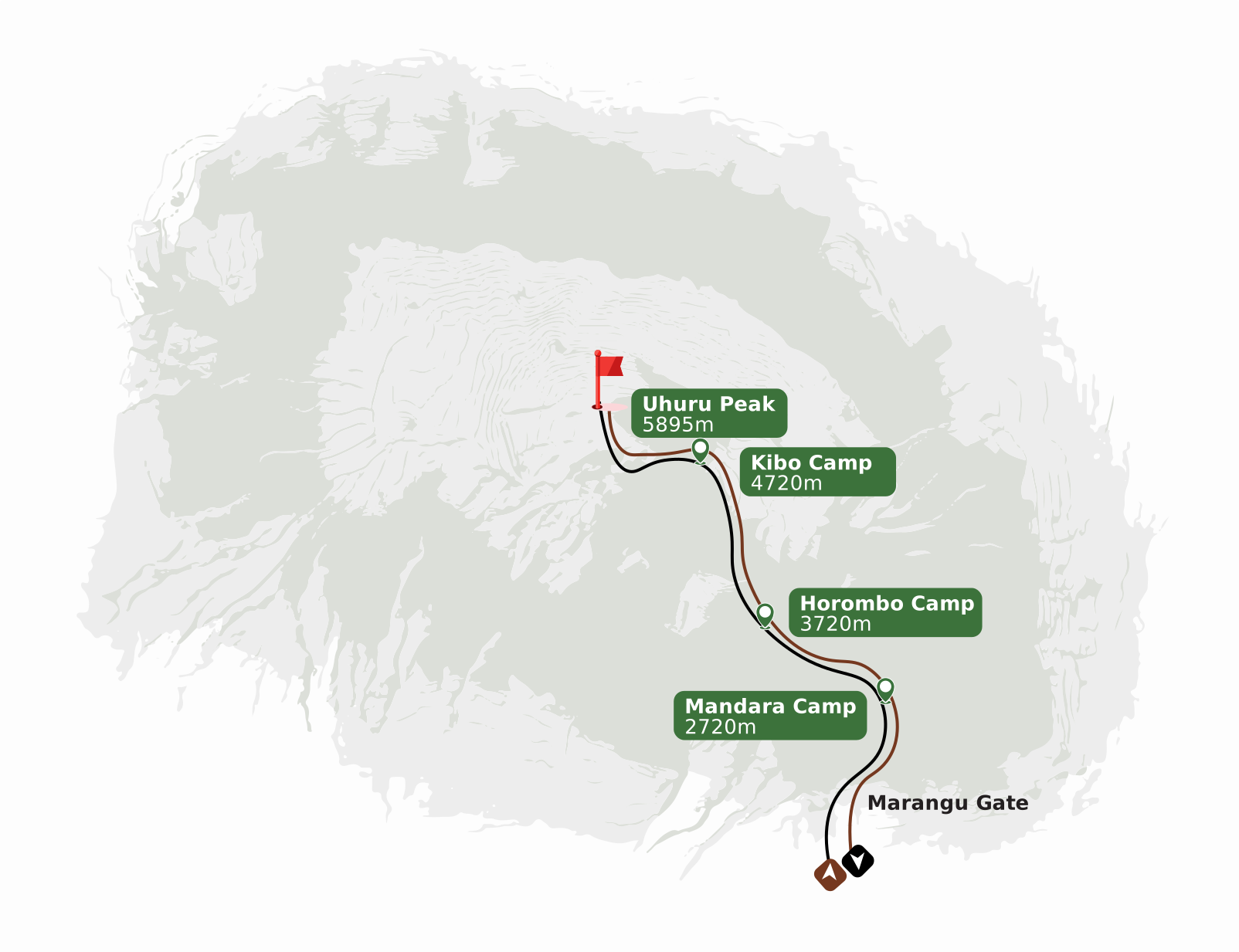
6 days marangu route

Difficulty: Moderate

Duration: 5-6 Days

Highlights: Scenic huts, gradual ascent

Best For: Beginners, budget-conscious climbers

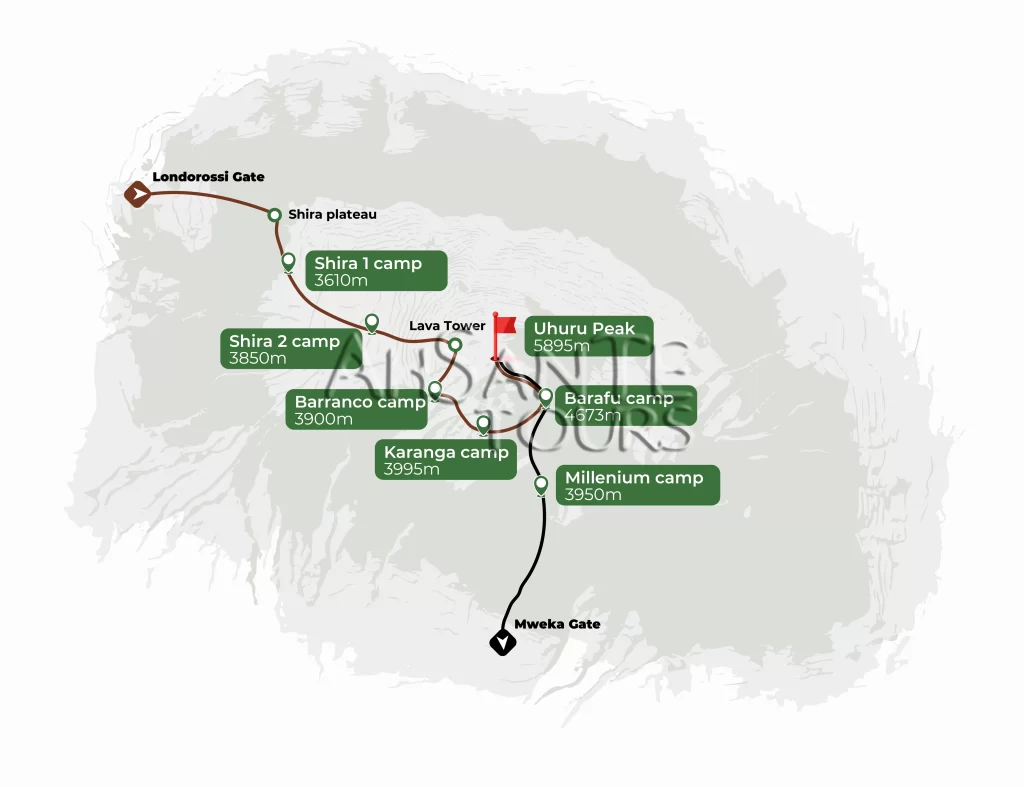
difficulty:, days lemosho

Difficulty: Moderate-Challenging

Duration: 7-8 Days

Highlights: Remote trails, high success rates

Best For: First-time climbers, photographers

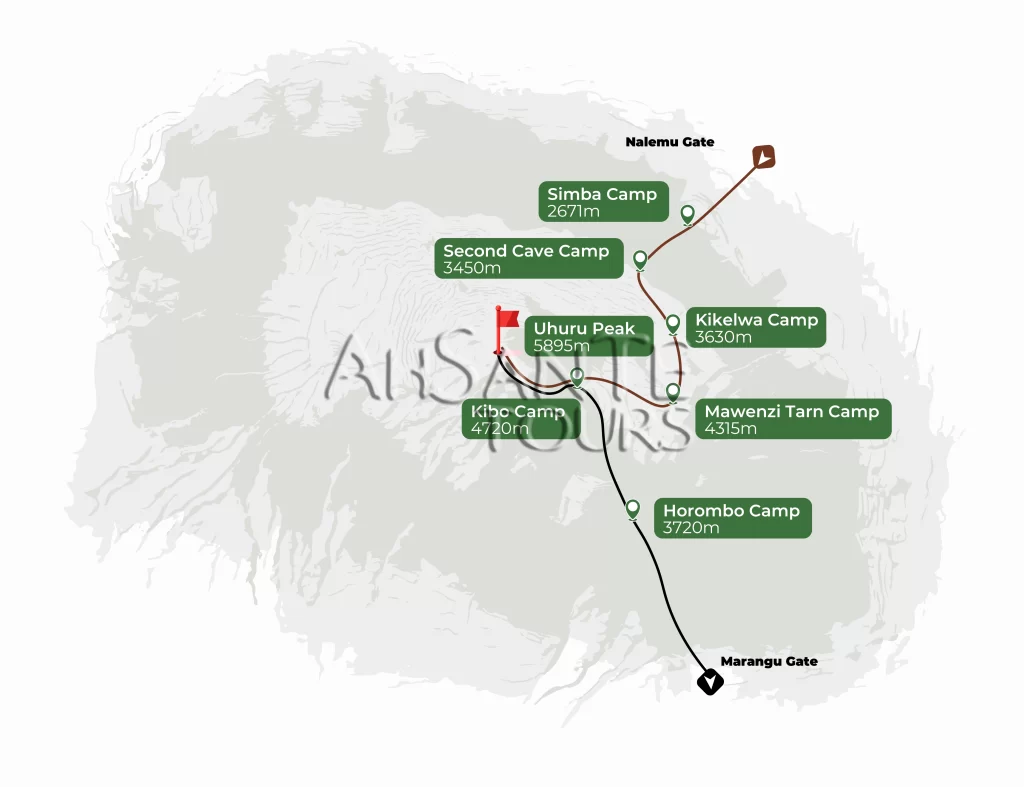
difficulty:, days rongai

Difficulty: Moderate

Duration: 6-7 Days

Highlights: Unique northern approach, drier paths

Best For: Climbers during rainy seasons


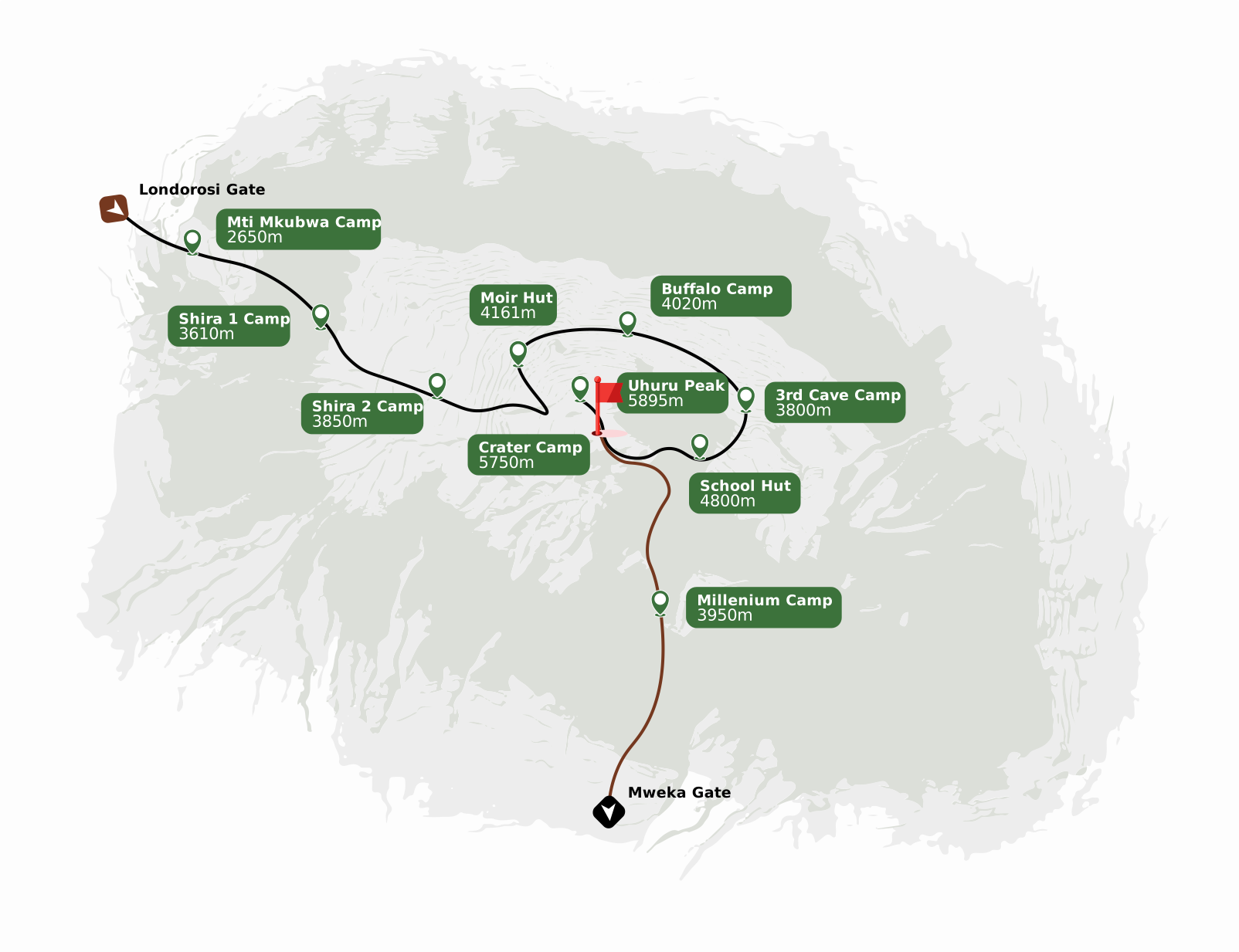
northern circuit route map, nothern

Duration: 8โ€“9 days

Difficulty: Moderate to challenging

Distance: ~98 km (61 miles)

Features:

  1. The longest and newest route, circling the mountain from west to east.
  2. Best acclimatization and highest success rates.
  3. Offers the most remote and quiet experience.
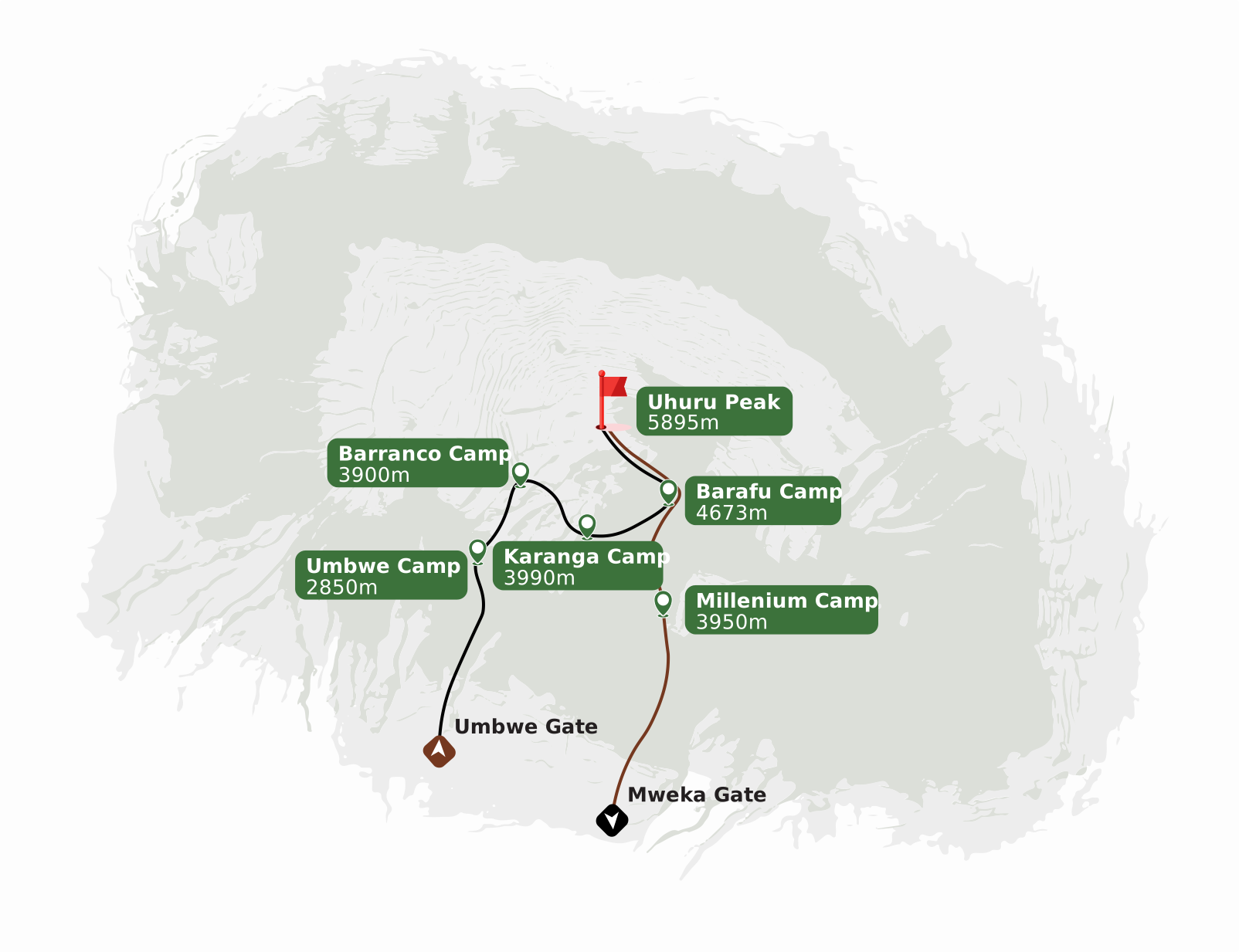
umbwe 6 days

Duration: 5โ€“7 days

Difficulty: Very challenging

Distance: ~53 km (33 miles)

Features:

  1. Steep and direct route with minimal acclimatization opportunities.
  2. Not recommended for beginners or those without prior high-altitude experience.
  3. Less crowded but fewer success rates.

Popular Tours

Join our Kilimanjaro Group Climbs

Marangu Route – 6 Days

Sun 7 Dec 2025 > Sun 14 Dec 2025

$2,340

Marangu Route – 6 Days

Sun 7 Dec 2025 > Sun 14 Dec 2025

$2,340

Marangu Route – 6 Days

Sun 7 Dec 2025 > Sun 14 Dec 2025

$2,340

Marangu Route – 6 Days

Sun 7 Dec 2025 > Sun 14 Dec 2025

$2,340

Click on the Edit Content button to edit/add the content.

Your Essential Kilimanjaro Preparation Guide

Facts About Mount Kilimanjaro

Mount Kilimanjaro is in Tanzania, near the border with Kenya.

Kilimanjaro is 5,895 meters (19,341 feet) above sea level, making it the tallest mountain in Africa and the tallest free-standing mountain in the world.

It’s a dormant volcanic mountain with three cones: Kibo (the summit), Mawenzi, and Shira.

The mountain features five distinct ecological zones, from tropical rainforests to alpine deserts and Arctic-like glaciers at the summit.

The first recorded ascent was in 1889 by Hans Meyer and Ludwig Purtscheller.

Over 50,000 climbers attempt Kilimanjaro annually.

What to Expect on Your Kilimanjaro Climb

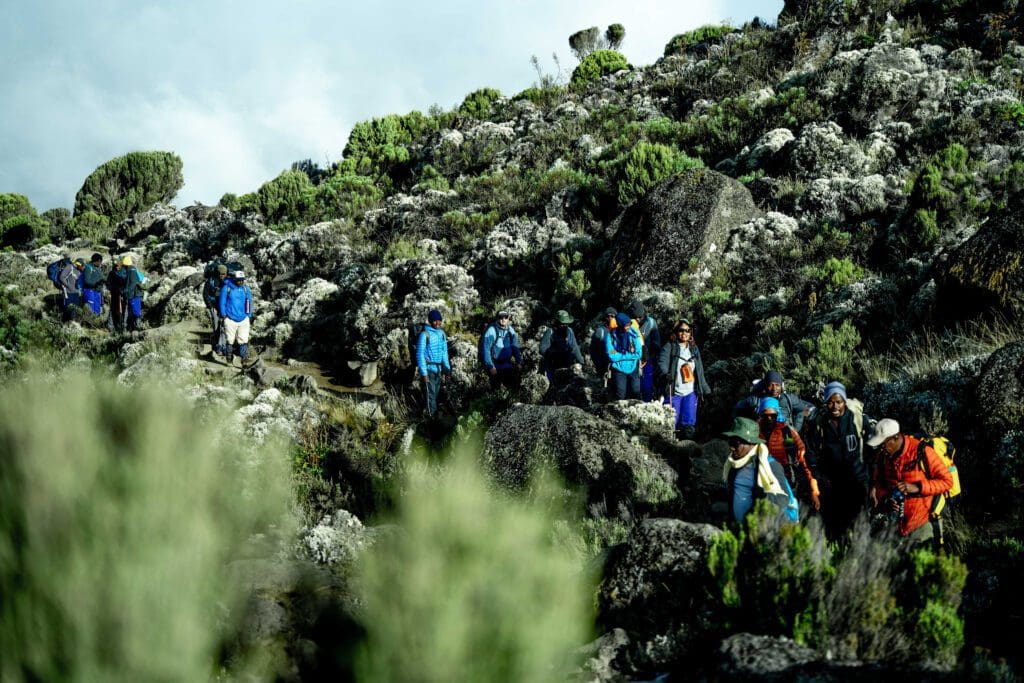
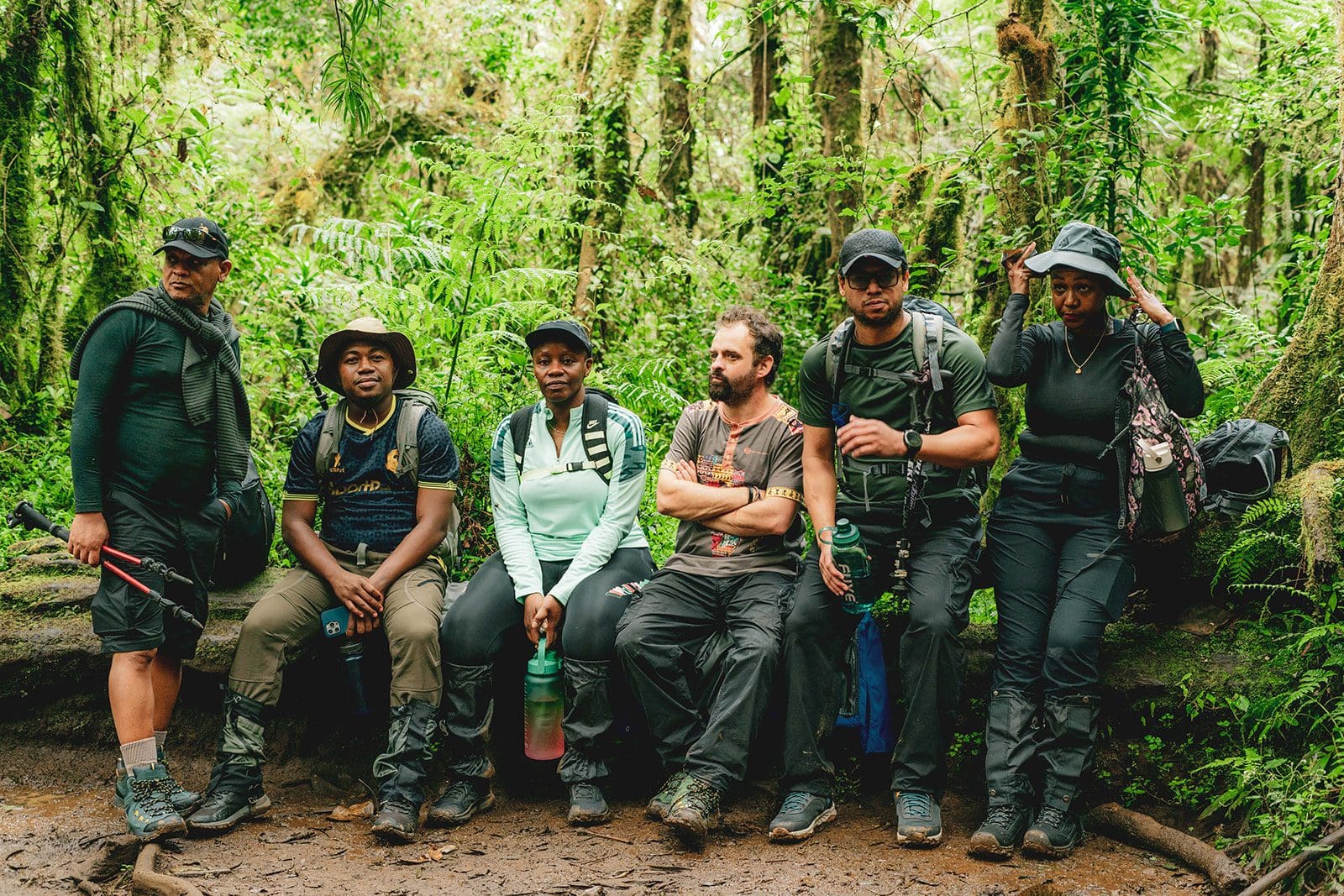
Experience lush rainforests, moorlands, alpine desert, and icy summit zones.

You’ll ascend thousands of meters, so acclimatization is key.

Days typically involve 4-8 hours of hiking, with summit day requiring 10-12 hours.

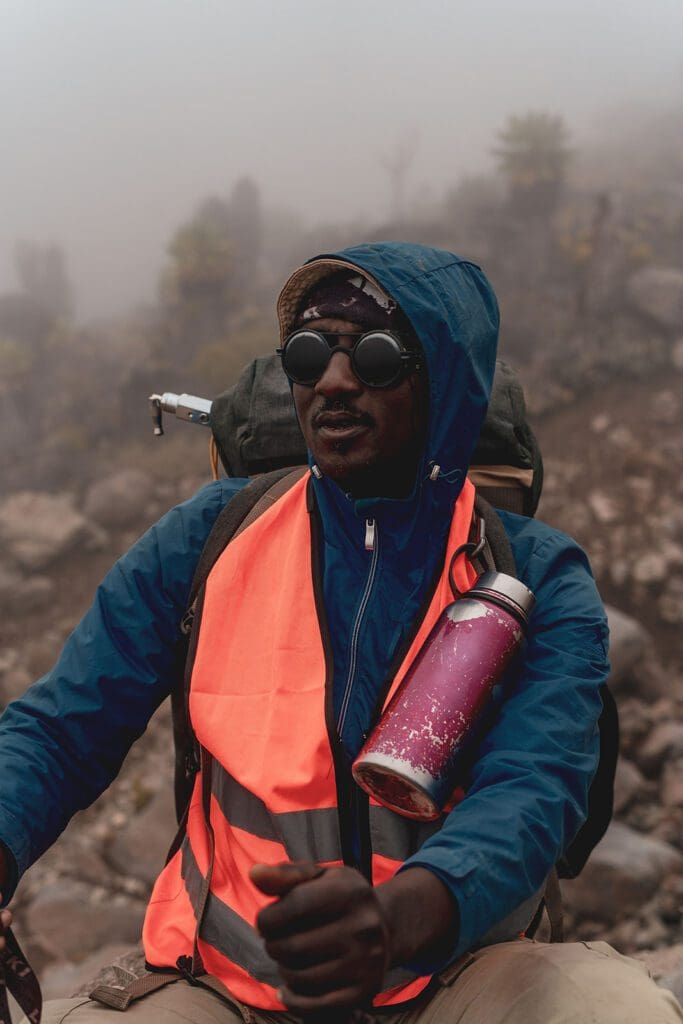
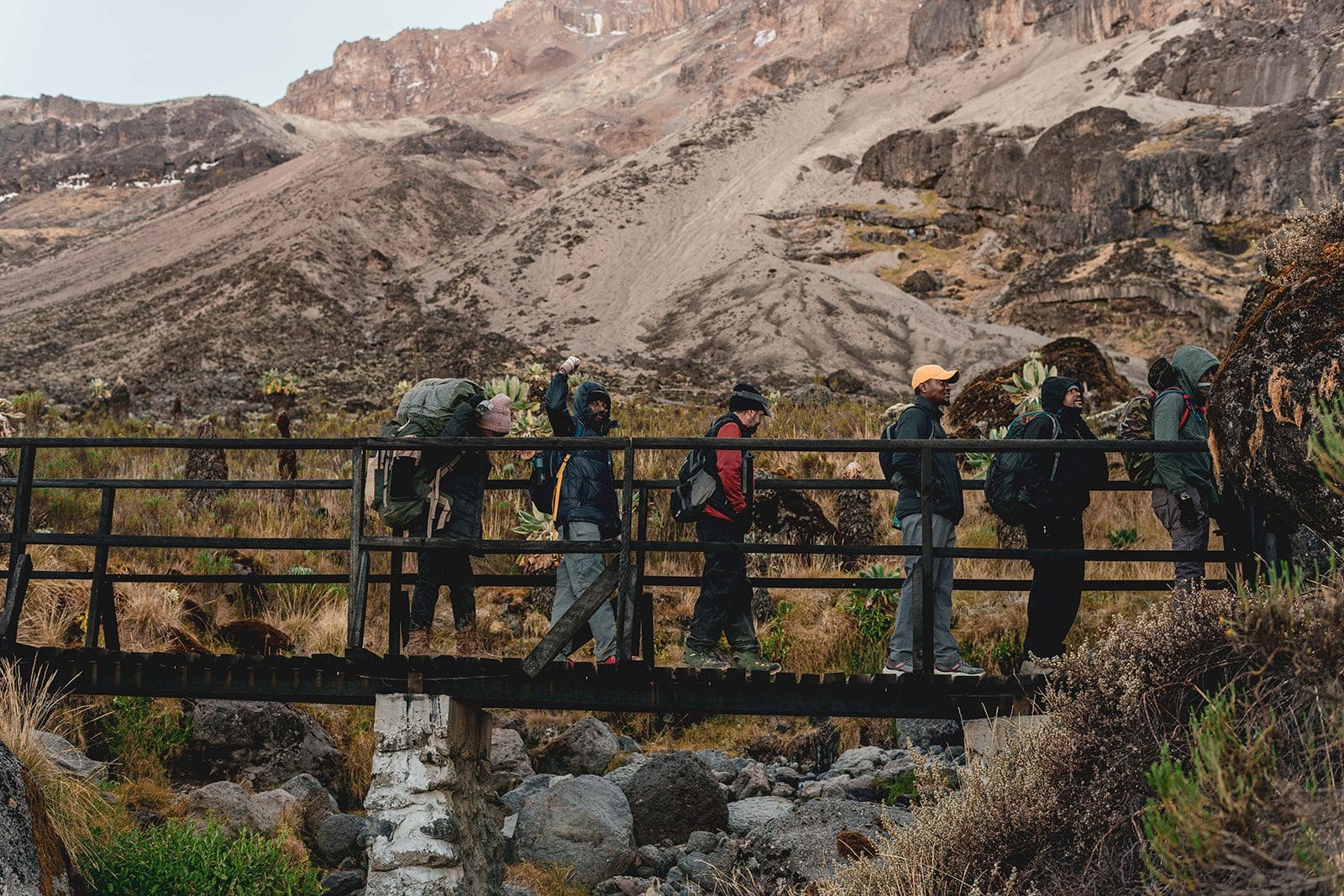
Local guides, porters, and cooks make the climb smoother.

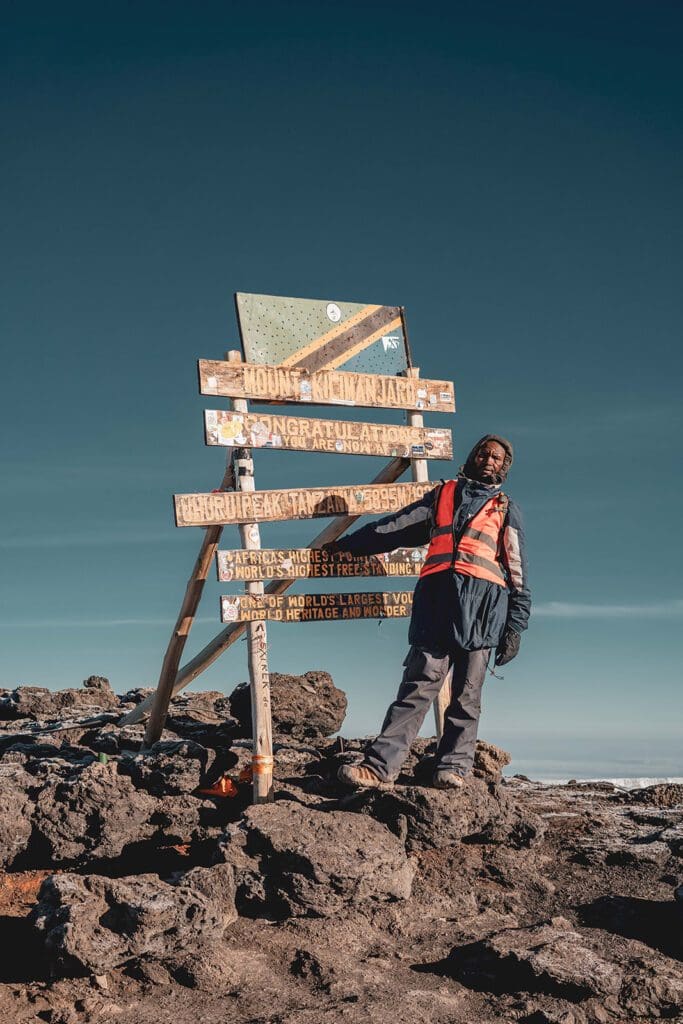
Enjoy panoramic views, especially from Uhuru Peak, the highest point.

packing essentials

Packing Essentials

Clothing

  • Base Layers: Thermal shirts and pants

  • Mid Layers: Fleece jacket, insulated vest

  • Outer Layers: Waterproof jacket and pants, down jacket

  • Headwear: Warm hat, sun hat, balaclava

  • Gloves: Inner and outer gloves

  • Footwear: Trekking boots, camp shoes, warm socks

Gear

  • Backpack (30-40L) and duffel bag
  • Sleeping bag (rated for -10°C/14°F or lower)
  • Trekking poles
  • Headlamp with extra batteries
  • Water bottles and hydration bladder

Accessories

  • Sunglasses (UV protection)
  • Sunscreen and lip balm
  • Quick-dry towel
  • Gaiters

Personal Items

  • First aid kit (band-aids, painkillers, blister care)
  • Toiletries (toothbrush, toothpaste, wet wipes)
  • Snacks and energy bars
  • Travel documents (passport, insurance)

Optional Items

  • Camera or phone with power bank
  • Hand warmers
  • Lightweight book or journal
training for climbing kilimanjaro

Training for Climbing Kilimanjaro

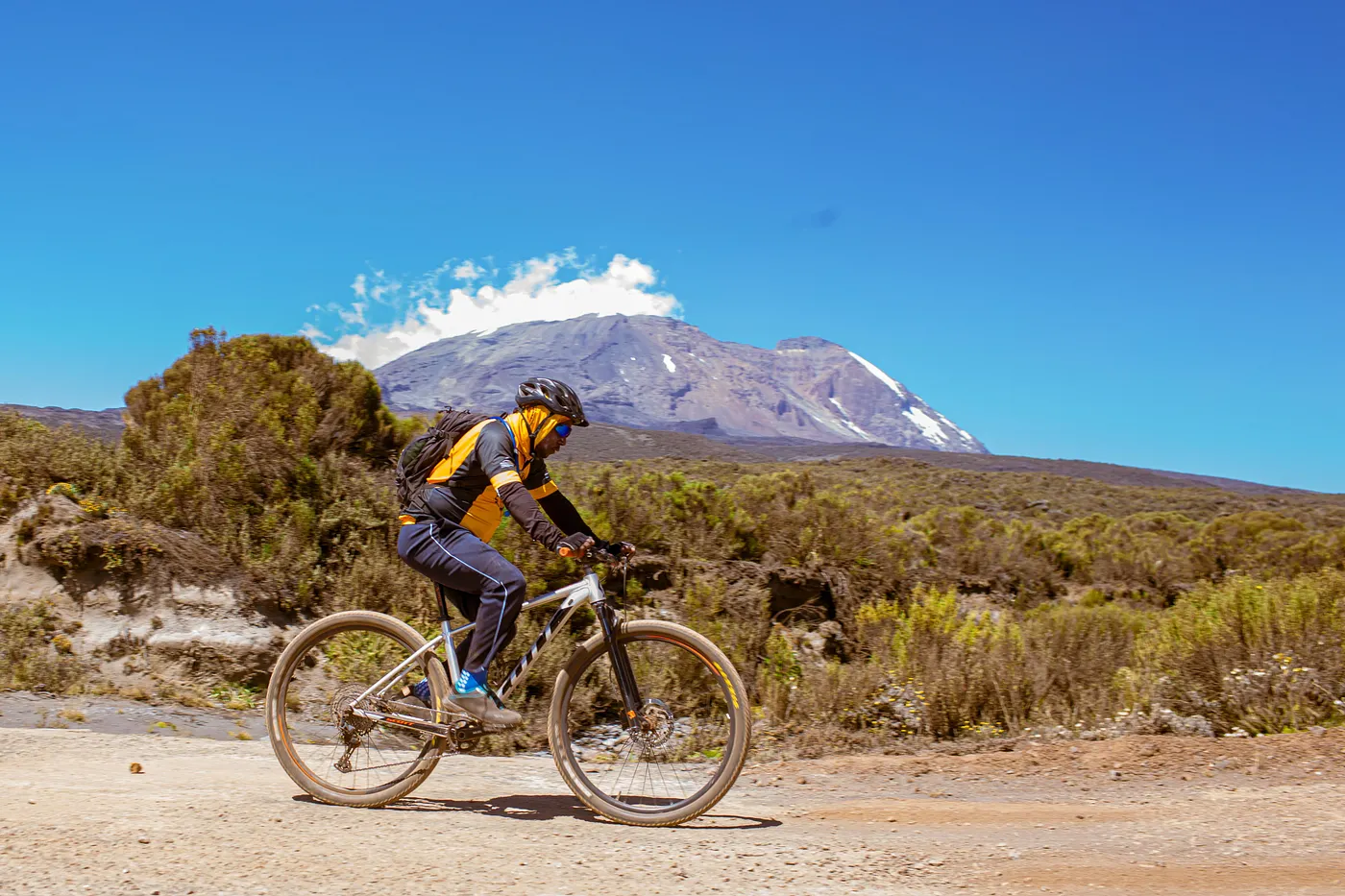
Cardiovascular Training: Activities like hiking, running, cycling, or swimming to build endurance.

Strength Training: Focus on legs, core, and upper body with exercises like squats, lunges, planks, and push-ups.

Flexibility: Incorporate stretching or yoga to improve flexibility and prevent injuries.

Practice Hikes: Train on uneven terrain with a backpack to simulate Kilimanjaro conditions.

Altitude Training: If possible, practice hiking at higher elevations to acclimatize to lower oxygen levels.

Stamina Building: Gradually increase the length and difficulty of your hikes.

Set Realistic Goals: Prepare for the challenge by understanding the physical and mental demands.

Stay Positive: Develop mental resilience for tough sections of the climb.

Practice wearing and using your gear, including boots, backpacks, and trekking poles, to ensure comfort and prevent blisters.

Diet: Eat a balanced diet with a focus on protein, carbohydrates, and hydration.

Rest: Prioritize recovery with proper sleep and rest days during training.

Consultation: Get a health check-up and seek advice if you have any medical conditions.

Start training at least 8-12 weeks before your climb, gradually increasing intensity and duration as you progress.


How Long Does It Take to Climb Kilimanjaro?

The duration depends on the route:

  • Machame Route: 6-7 days.
  • Marangu Route: 5-6 days.
  • Lemosho Route: 7-8 days.
  • Rongai Route: 6-7 days.
  • Northern Circuit: 8-9 days (longest and most scenic).

Longer treks improve acclimatization and success rates.

Best Time to Climb Mount Kilimanjaro

Dry Seasons:

  • January to mid-March: Clear skies, warmer weather, lush landscapes.
  • June to October: Cooler weather, but less rain and ideal for trekking.

Avoid Rainy Seasons:

  • Mid-March to May: Heavy rains can make trails slippery.
  • November: Short rainy season.

How Hard Is It to Climb Kilimanjaro?

Challenge Level:

Moderate to challenging. Requires determination but no technical climbing skills.
Key Challenges:
High altitude and risk of altitude sickness.
Long trekking days, particularly on summit day.
Changing weather conditions.
Preparation Tips: Physical training and choosing the right route are essential.

Can Beginners Climb Kilimanjaro?

Yes, beginners can climb Kilimanjaro!

  • It’s a trek, not a technical climb, making it accessible to most with preparation.
  • Best Routes for Beginners: Machame or Marangu routes due to easier terrain and good acclimatization.
  • Preparation Tips: Train with cardio, strength-building exercises, and multi-day hikes.

Free Kilimanjaro Kit Checklist

Free Kilimanjaro Packing List with gear necessary for the hike and recommendations from Ahsante Tours Team

Did You Know ?

The Marangu Route is nicknamed the "Coca-Cola Route" for its popularity and the availability of refreshments at huts along the way!

How to Get to Kilimanjaro

Fly to Tanzania:

  • Closest airport: Kilimanjaro International Airport (JRO).
  • Nearby cities: Moshi (closest), Arusha (larger city with more amenities).

Transport Options:

  • Pre-arranged transfers with Ahsante Tours.
  • Local taxis or buses (less reliable).

Safety on Kilimanjaro

Altitude Management:

Ahsante Tours builds extra acclimatization days into itineraries.
Daily Health Checks:

Pulse oximeters monitor oxygen levels.
Emergency Response:

Guides are trained to handle altitude sickness and medical emergencies.
Equipment:

Portable oxygen tanks and stretchers are available.
Group Communication: Guides carry radios for constant updates and assistance.

Food on the Mountain

Meals Provided by Ahsante Tours:

  • Breakfast: Porridge, toast, eggs, tea/coffee.
  • Lunch: Sandwiches, fruits, soup.
  • Dinner: Hot meals like rice, pasta, or stews with vegetables and meat.
  • Dietary Requirements: Vegetarian, vegan, or gluten-free options available upon request.
ahsante-experts

Still have questions?

“Should you have any questions about schedules, transfers, or any other details,
feel free to get in touch with our knowledgeable expertsโ€

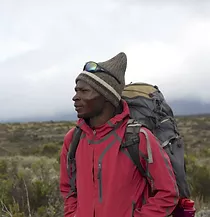
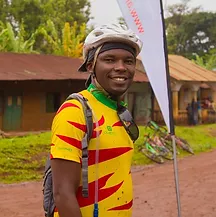
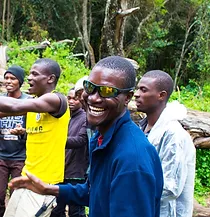
Why Our Guides Stand Out:

Meet the Experts Behind Your Journey

Friendly, encouraging, and knowledgeable about the mountain’s history and routes.

FAQs about Mount kilimanjaro

The Marangu Route is nicknamed the "Coca-Cola Route" because, historically, climbers could purchase Coca-Cola at the huts along the way. It’s also considered a “classic” route due to its popularity and accessibility.

The Marangu Route typically takes 5 to 6 days to complete. The 6-day option includes an extra day for acclimatization at Horombo Hut, which can improve summit success rates.

Unlike other Kilimanjaro routes, the Marangu Route offers hut accommodation at designated campsites. Climbers stay in wooden huts, making it more comfortable, especially during the rainy season.

The Marangu Route has a summit success rate of about 60%. This is lower than other routes because it has a shorter acclimatization period, particularly on the 5-day option.

Though often considered one of the easier routes due to the hut accommodations and gradual slopes, the Marangu Route can still be challenging due to the quick ascent and reduced acclimatization time. It is suitable for beginners who are physically fit and prepared for the altitude and hiking conditions.