Introduction
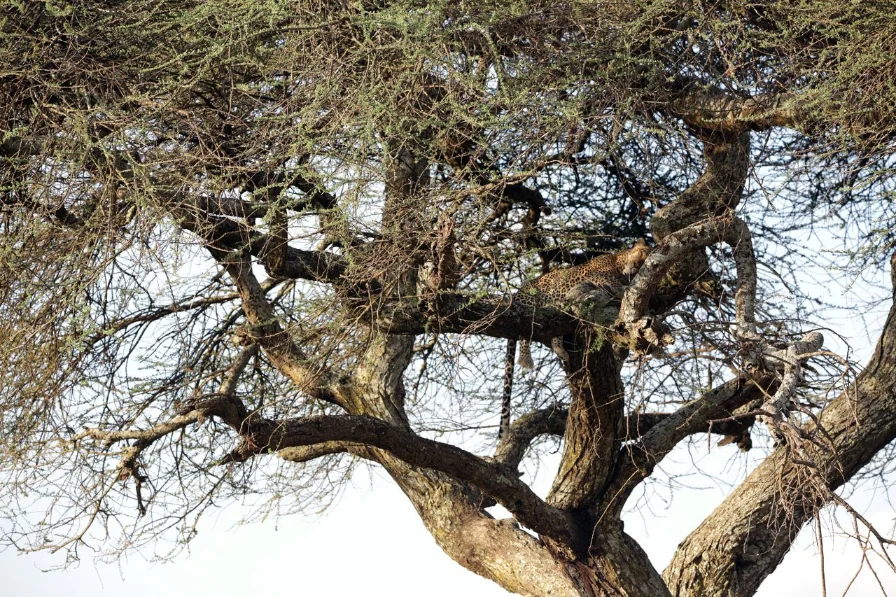
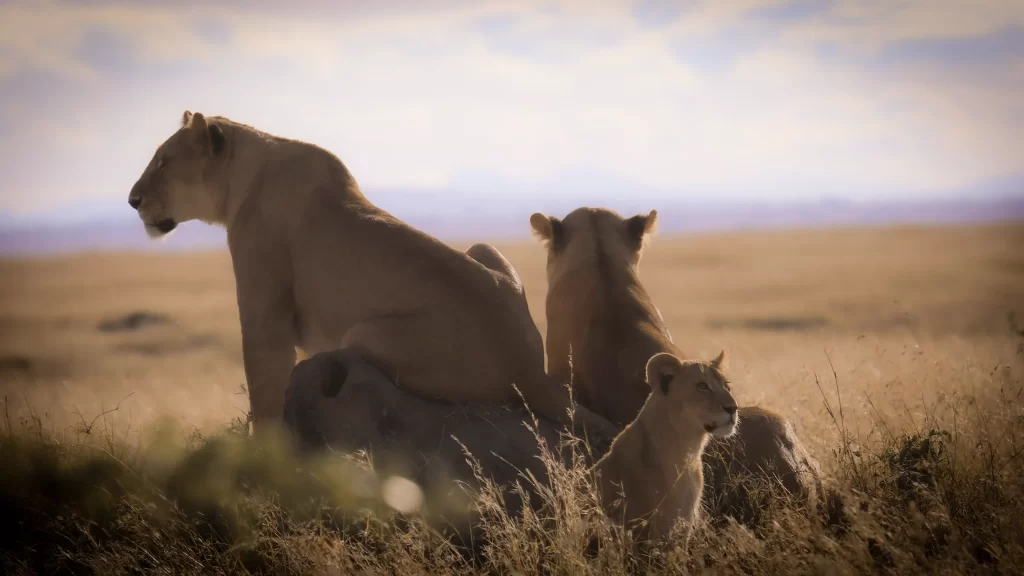
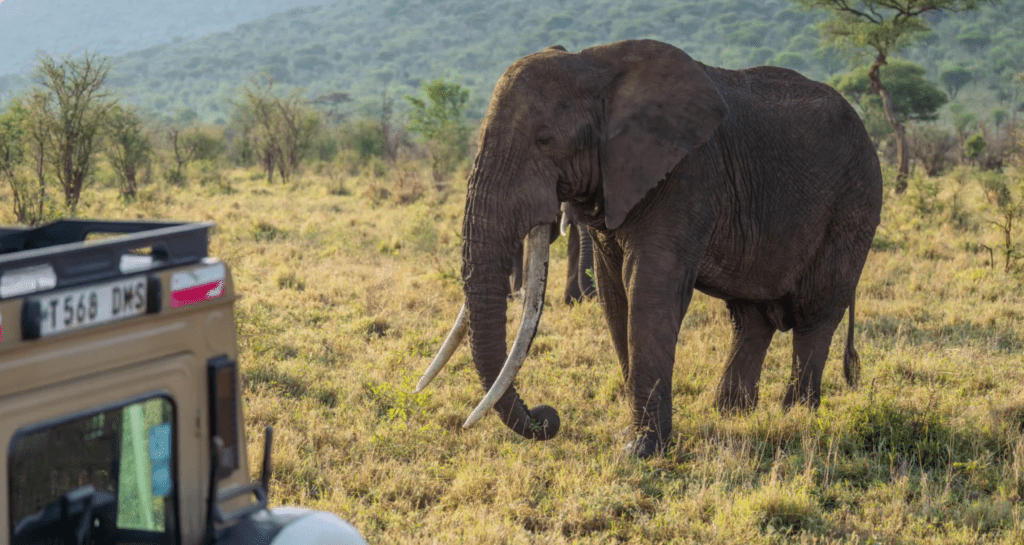
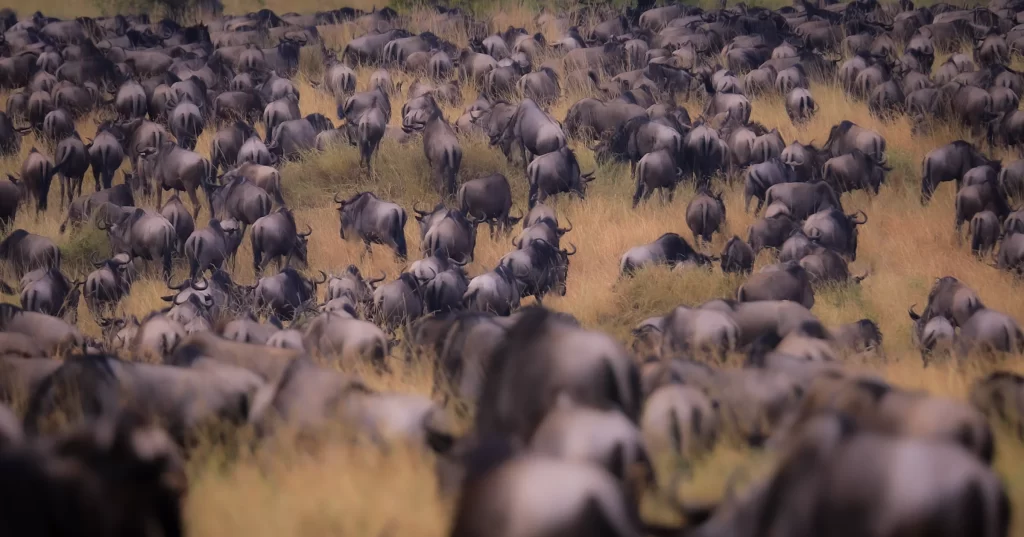
Tanzania is a country rich in cultural diversity, breathtaking landscapes, and incredible wildlife. Whether you’re exploring the Serengeti, climbing Mount Kilimanjaro, or visiting Zanzibar’s white sandy beaches, understanding local customs and practical travel tips will enhance your experience. This guide covers essential cultural etiquette, safety advice, and travel tips to help you navigate Tanzania with ease.
Understanding Tanzanian Culture
Tanzanians are known for their warmth, hospitality, and strong sense of community. Respecting local traditions and cultural norms will make your interactions with locals more meaningful and enjoyable.
- Greetings and Social Etiquette
- Greetings are an important part of Tanzanian culture. A handshake accompanied by eye contact and a warm smile is customary.
- In Swahili, common greetings include:
- “Jambo” (Hello – mostly used for tourists)
- “Habari?” (How are you?) – respond with “Nzuri” (Good).
- “Shikamoo” (A respectful greeting to elders) – response: “Marahaba.”
- Tanzanians appreciate politeness. Saying “Asante” (thank you) and “Tafadhali” (please) goes a long way.
- People take time to ask about your well-being before getting into a conversation. Don’t rush interactions.
- Respect for Elders and Authority
- Elders are highly respected in Tanzanian society. Always greet older individuals first and use formal language when addressing them.
- When passing something to an elder, use both hands or your right hand as a sign of respect.
- Dress Code: What to Wear in Tanzania
- While Tanzania is relatively relaxed, dressing modestly is important, especially in rural areas and on Zanzibar’s Stone Town.
- For women: Avoid short skirts, crop tops, and revealing clothing outside tourist areas. A light scarf or shawl can be helpful when visiting religious sites.
- For men: Avoid walking shirtless in towns or villages.
- On beaches and safari lodges, casual attire is acceptable, but nudity and topless sunbathing are not allowed.
- Religion and Cultural Sensitivity
- Tanzania is religiously diverse, with Christianity and Islam being the dominant religions.
- In predominantly Muslim areas, such as Zanzibar, respect religious customs by dressing modestly and avoiding public displays of affection.
- During Ramadan, avoid eating, drinking, or smoking in public during daylight hours as a sign of respect.
Practical Travel Tips for Tanzania
- Money and Payments
- Currency: The Tanzanian Shilling (TZS) is the local currency. USD is widely accepted, especially in tourist areas, but ensure your bills are post-2009 to avoid rejection.
- ATMs & Credit Cards: ATMs are available in major cities, but cash is necessary in rural areas. Credit cards are accepted in high-end hotels but may incur additional charges.
- Tipping: Tipping is customary in Tanzania, particularly for guides, porters, and safari staff.
- Transportation and Getting Around
- Public Transport: Dala-dala (shared minibus taxis) are the cheapest way to travel but can be overcrowded.
- Taxis & Ride Apps: Taxis don’t have meters, so negotiate the price before starting your journey. Apps like Uber and Bolt are available in Dar es Salaam and Arusha.
- Domestic Flights: If traveling between cities or national parks, domestic flights with airlines like Precision Air or Coastal Aviation save time.
- Language Tips: Swahili Basics
Learning a few Swahili phrases will help you connect with locals and show respect for their culture. Here are some useful words:
- Hello: Jambo (common for tourists), Habari (informal)
- Thank you: Asante
- Please: Tafadhali
- Yes / No: Ndiyo / Hapana
- How much? Bei gani?
- Where is…? Wapi…?
Most people in tourist areas speak basic English, but Swahili is widely spoken in local communities.
Health and Safety Tips for Tanzania
- Vaccinations and Health Precautions
- Yellow Fever Vaccine: Required if traveling from a country with yellow fever risk.
- Malaria Prevention: Take antimalarial medication and use insect repellent.
- Drinking Water: Stick to bottled or purified water to avoid stomach issues.
- Staying Safe While Traveling
- Avoid walking alone at night in cities, especially in Dar es Salaam and Arusha.
- Keep your belongings secure, particularly in crowded places.
- Be cautious of street vendors offering “free gifts” or overpriced souvenirs.

Unique Tanzanian Customs and Experiences
- Traditional Tanzanian Food to Try
Tanzanian cuisine is flavorful and influenced by African, Indian, and Arab cultures. Must-try dishes include:
- Ugali – A maize flour staple, often served with meat or vegetables.
- Nyama Choma – Grilled meat, commonly goat or beef.
- Chapati – A flatbread similar to Indian roti.
- Pilau – Spiced rice, a specialty in Zanzibar.
- Visiting Maasai Villages and Cultural Experiences
- The Maasai people, known for their distinct red robes and jumping dance, welcome visitors to learn about their traditions.
- When visiting a village, always ask permission before taking photos.
- Market Shopping and Bargaining Tips
- Bargaining is common in local markets, so don’t accept the first price.
- Be respectful and friendly when negotiating prices.
Final Thoughts: Making the Most of Your Trip to Tanzania
Tanzania’s cultural richness and breathtaking landscapes make it a top destination for travelers. By understanding local customs, dressing appropriately, and embracing Swahili phrases, you can have a more meaningful and enjoyable experience.
Whether you’re on a safari, climbing Kilimanjaro, or relaxing in Zanzibar, these cultural and practical tips will help you navigate Tanzania like a pro. Karibu Tanzania! (Welcome to Tanzania!)