
Mount Kilimanjaro:
History, Routes, Weather, and Everything You Need to Know Before You Climb
- Home
- »
- Mount Kilimanjaro
- »
- Mount Kilimanjaro: History, Routes, Weather, and Everything You Need to Know Before You Climb
Introduction
Mount Kilimanjaro is one of the most iconic natural landmarks in the world. Rising dramatically above the plains of northern Tanzania, it is Africa’s highest mountain and the tallest free-standing mountain on Earth. For many travelers, Kilimanjaro represents more than a physical challenge it is a journey of endurance, discovery, and personal achievement.
Understanding Kilimanjaro’s history, routes, climate, and climbing realities is essential for anyone considering this life changing adventure.
When Was Mount Kilimanjaro Discovered?
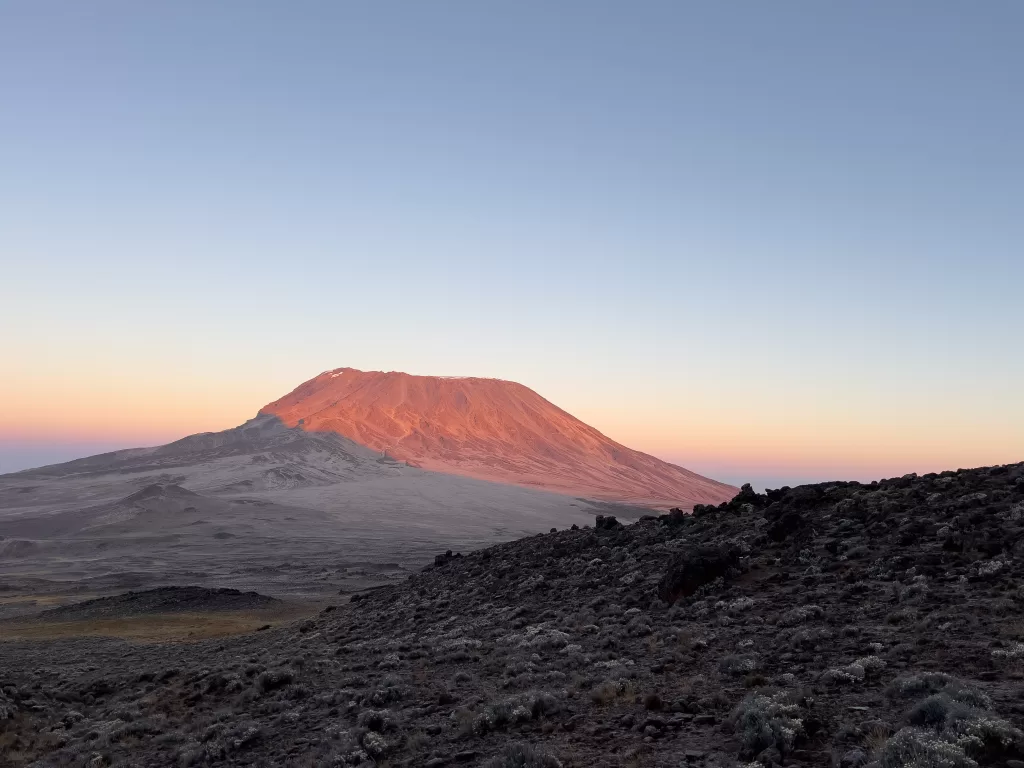
Mount Kilimanjaro was known to local Chagga communities for centuries before it was introduced to the Western world. However, its first recorded sighting by Europeans occurred in 1848, when German missionary Johannes Rebmann reported seeing a snow-capped mountain near the equator — an observation initially met with skepticism.
The first successful ascent to the summit of Mount Kilimanjaro took place in 1889, led by German geographer Hans Meyer and Austrian mountaineer Ludwig Purtscheller. They reached what is now known as Uhuru Peak, standing at 5,895 meters (19,341 feet) above sea level.
How Many Routes Are There on Mount Kilimanjaro?
There are seven official trekking routes to the summit of Mount Kilimanjaro. Each route differs in scenery, difficulty, duration, acclimatization profile, and success rate.
The Main Kilimanjaro Routes
- Marangu RouteMachame Route
- Lemosho Route
- Shira Route
- Rongai Route
- Northern Circuit Route
- Umbwe Route
Choosing the right route is one of the most important decisions climbers make, as it directly affects safety and summit success.
Marangu Route (The “Coca-Cola Route”)
The Marangu Route is the oldest and most established route on Mount Kilimanjaro. It approaches the mountain from the southeastern side and is the only route that offers hut accommodation instead of camping, making it appealing to climbers who prefer sleeping indoors.
This route is often perceived as the “easiest,” but this reputation can be misleading. Marangu is shorter and more direct, typically completed in 5 or 6 days, which significantly limits acclimatization time. Because climbers ascend and descend using the same path, altitude gain is rapid, increasing the risk of altitude sickness.
The landscape transitions quickly from lush rainforest to moorland and alpine desert, but scenic variety is more limited compared to other routes. Due to its popularity and shorter duration, Marangu often has lower summit success rates, particularly on 5-day itineraries.
Best for: Budget-conscious climbers, those who prefer huts
Main challenge: Poor acclimatization
Average success rate: 50–60%
Machame Route (The “Whiskey Route”)
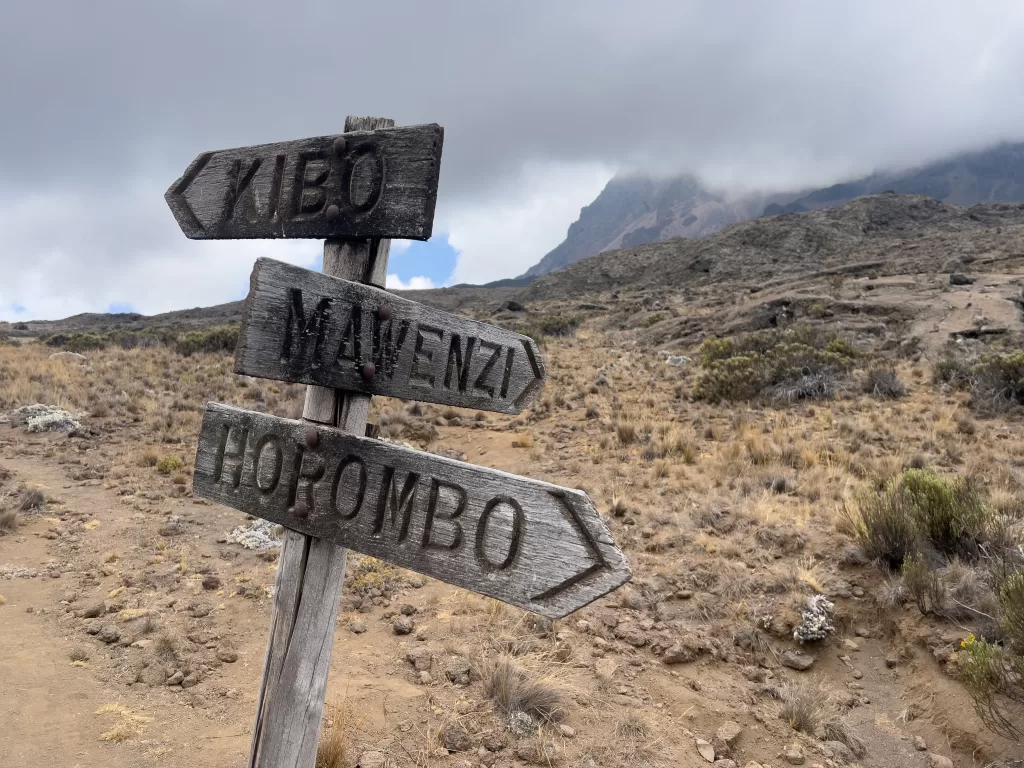
The Machame Route is one of the most popular and visually striking routes on Kilimanjaro. Approaching from the southwest, it offers dramatic scenery, varied landscapes, and a strong acclimatization profile when climbed over 6 or 7 days.
Machame follows the principle of “climb high, sleep low,” allowing the body to adjust more effectively to altitude. Climbers pass through dense rainforest, open moorlands, the Shira Plateau, and alpine desert before reaching the summit via the southern circuit.
This route is steeper and more physically demanding than Marangu, especially during sections like the Barranco Wall, which requires scrambling but no technical climbing. The reward is a higher success rate and richer overall experience.
Best for: Adventurous trekkers, photographers
Main challenge: Steep terrain
Average success rate: 75–85%
Lemosho Route (The Most Scenic and Best Acclimatized Route)
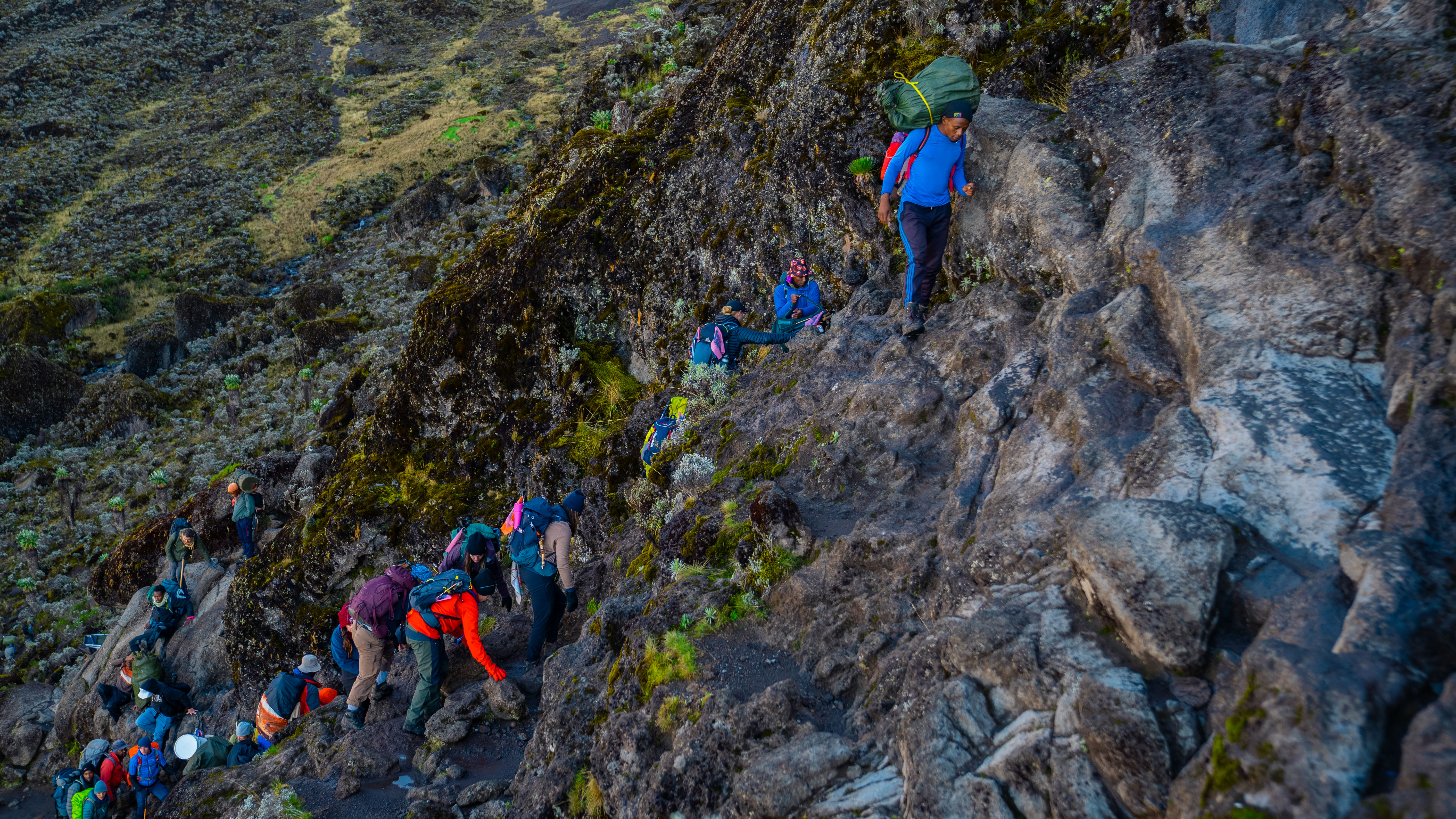
The Lemosho Route is widely regarded as the most scenic, safest, and best-acclimatized route on Mount Kilimanjaro. It begins on the remote western side of the mountain and is typically completed in 7 or 8 days, providing excellent altitude adaptation.
Early stages pass through pristine rainforest with minimal foot traffic, offering a sense of wilderness rarely found on other routes. As the trail ascends, it joins the Shira Plateau and then follows the southern circuit, allowing gradual elevation gain and optimal acclimatization.
Because of its length and route design, Lemosho consistently delivers one of the highest summit success rates. It is also less crowded during the first few days, creating a more immersive and peaceful trekking experience.
Best for: First-time climbers, photographers, nature lovers
Main advantage: Excellent acclimatization and scenery
Average success rate: 90%+
Shira Route
The Shira Route is closely related to the Lemosho Route but begins at a much higher altitude, as vehicles drive climbers to the Shira Gate. While the scenery across the Shira Plateau is expansive and dramatic, the rapid altitude exposure makes acclimatization more challenging.
This route typically takes 6 or 7 days and merges with the Machame route later in the climb. Because climbers start high, the body has less time to adjust, increasing the risk of altitude-related issues for some trekkers.
Shira is best suited for climbers who already have altitude experience or who choose a longer itinerary to compensate for the high starting point.
Best for: Experienced high-altitude trekkers
Main challenge: High starting altitude
Average success rate: Moderate to high with proper acclimatization
Northern Circuit Route (The Longest and Most Successful Route)
The Northern Circuit Route is the longest route on Mount Kilimanjaro, typically taking 8 or 9 days. It offers the best acclimatization profile of all routes and boasts the highest summit success rates.
After beginning on the Lemosho Route, climbers circle the mountain clockwise around its quieter northern slopes. This extended time at altitude allows the body to adapt gradually, greatly reducing the risk of altitude sickness.
The Northern Circuit is ideal for climbers who prioritize safety, success, and a comprehensive Kilimanjaro experience over speed.
Best for: Safety-focused climbers, first-timers with time
Main advantage: Superior acclimatization
Average success rate: 95%+
Rongai Route (The Northern Approach)
The Rongai Route approaches Kilimanjaro from the north near the Kenyan border, making it the only route that starts from this side of the mountain. It is known for being quieter and drier, particularly during the rainy seasons.
Rongai offers a steady and gentle ascent over 6 or 7 days, making it suitable for climbers who prefer a less crowded and less physically aggressive route. The scenery is more subtle, with fewer dramatic cliffs, but the sense of remoteness is strong.
The descent is usually made via the Marangu Route, allowing climbers to experience different perspectives of the mountain.
Best for: Rainy-season climbs, climbers seeking solitude
Main limitation: Less scenic variety
Average success rate: 70–80%
Umbwe Route (The Most Challenging Route)
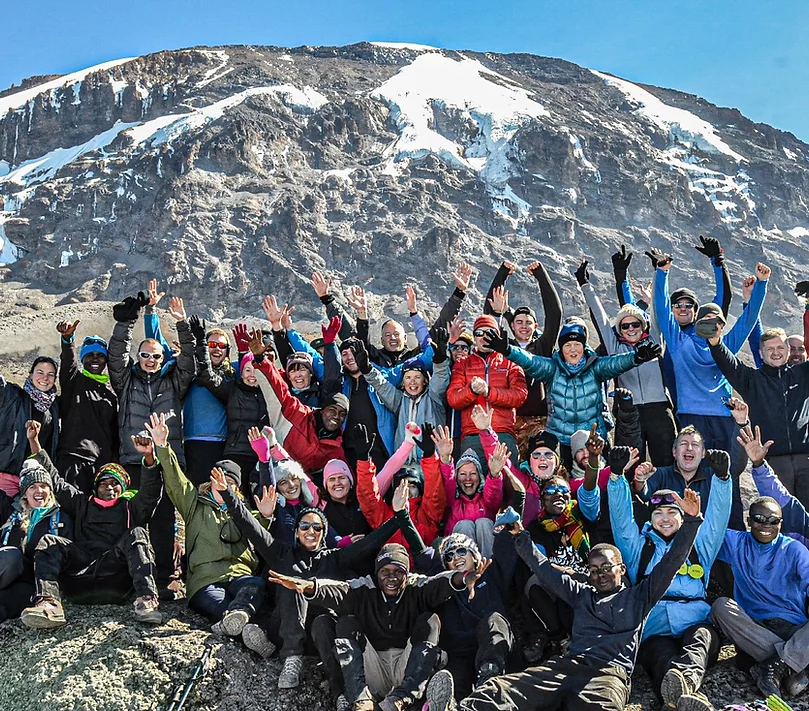
The Umbwe Route is the steepest, shortest, and most demanding route on Mount Kilimanjaro. It ascends aggressively through dense forest and steep ridges, offering very limited time for acclimatization.
Because of its difficulty and rapid elevation gain, Umbwe is recommended only for highly experienced climbers who are already acclimatized or climbing with extended itineraries.
While the route is scenic and direct, it carries a higher risk of altitude sickness and has lower success rates unless modified with additional acclimatization days.
Best for: Experienced mountaineers
Main challenge: Very poor acclimatization
Average success rate: Highly variable
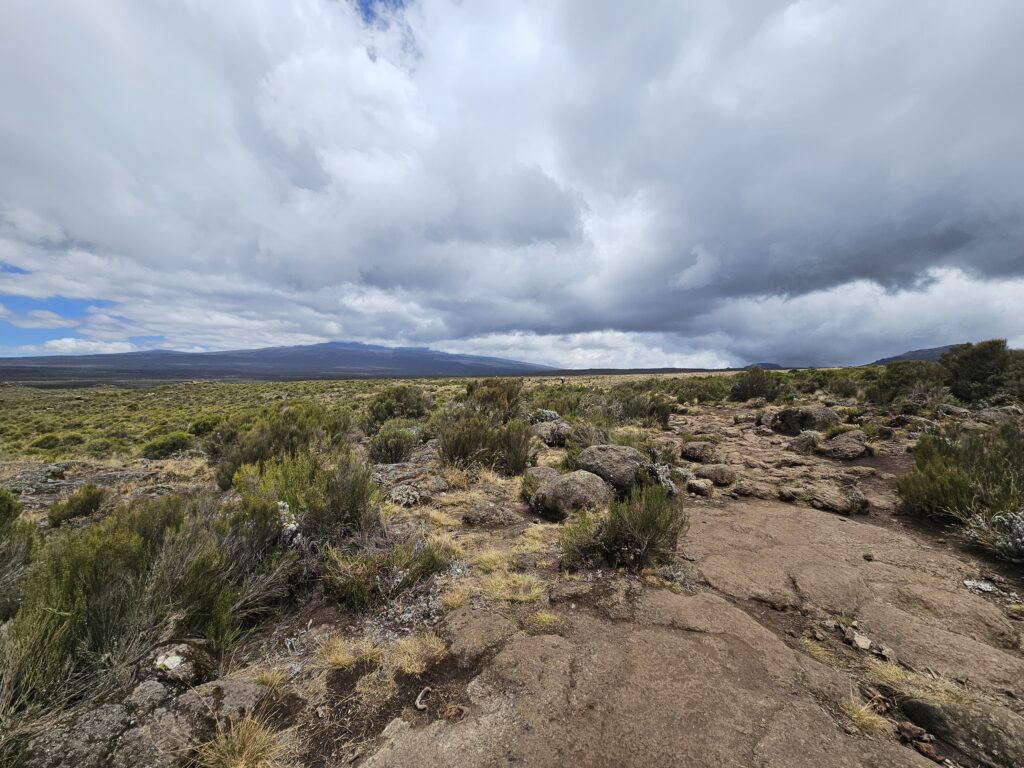
Choosing the Right Route on Mount Kilimanjaro
Selecting the right Kilimanjaro route depends on time available, physical fitness, altitude tolerance, and personal goals. Longer routes with gradual ascents consistently produce higher summit success rates and safer climbing experiences.
A successful Kilimanjaro climb is not about choosing the shortest path — it is about choosing the smartest route for your body and goals.
Weather and Climate on Mount Kilimanjaro
Mount Kilimanjaro has five distinct climate zones, each with its own weather patterns:
- Rainforest Zone — warm, humid, and lush
- Heath and Moorland — cooler with open landscapes
- Alpine Desert — dry, windy, and cold
- Arctic Zone — freezing temperatures and low oxygen
Temperatures can range from +25°C at the base to -15°C or lower at the summit. Weather conditions can change rapidly, making proper gear and preparation essential.
Best Time to Climb Kilimanjaro
- January to March: quieter, colder, good visibility
- June to October: peak season, stable weather
- April–May and November: rainy seasons, fewer climbers

What Can You See on Mount Kilimanjaro?
Despite its altitude, Mount Kilimanjaro is rich in biodiversity and natural beauty. Climbers can encounter:
- Rainforest wildlife such as colobus monkeys and birds
- Unique plant species like giant lobelias and senecios
- Volcanic formations and ancient lava flows
- Expansive views over the plains of Tanzania
- Glaciers and ice fields near the summit
The changing landscapes make Kilimanjaro one of the most visually diverse mountains in the world.
Challenges of Climbing Mount Kilimanjaro
The biggest challenge on Kilimanjaro is altitude, not technical climbing. As elevation increases, oxygen levels drop significantly, which can lead to altitude sickness if not managed properly.
Other challenges include:
- Cold temperatures at high altitude
- Physical fatigue over multiple days
- Steep summit night ascent
- Mental endurance and pacing
Proper acclimatization, hydration, and experienced guiding are critical to overcoming these challenges.
Summit Success Rates by Route
Summit success rates vary widely depending on route choice and itinerary length.
- Marangu (5 days): 50–60%
- Machame (7 days): 75–85%
- Lemosho (8 days): 90%+
- Northern Circuit (9 days): 95%+
- Rongai (7 days): 70–80%
- Umbwe: Lower, highly dependent on experience
Longer routes consistently show higher success rates due to better acclimatization.
Climb Mount Kilimanjaro With Ahsante Tours
Ahsante Tours is a locally based Tanzanian tour operator specializing in Mount Kilimanjaro climbs and safari experiences. With deep local knowledge, certified mountain guides, and a strong commitment to safety and ethical tourism, Ahsante Tours designs climbs that prioritize proper acclimatization, client well-being, and summit success.
Each Kilimanjaro itinerary is carefully planned based on the chosen route, season, and individual fitness levels, ensuring climbers receive the right balance of challenge, comfort, and support. From route selection and altitude management to professional crews and daily health monitoring, every detail is handled with precision and care.
Whether you are a first-time climber or an experienced trekker, Ahsante Tours provides expert guidance, transparent planning, and authentic local leadership — giving you the confidence to focus fully on the journey to Africa’s highest peak.
For travelers seeking a safe, well-organized, and meaningful Kilimanjaro experience, choosing the right team makes all the difference.

About the author
Vanessa Chuwa
Vanessa Chuwa is a travel writer at Ahsante Tours, sharing inspiring stories about Kilimanjaro, safaris, cycling, and cultural experiences across Tanzania.