Altitude Sickness on Kilimanjaro: Symptoms, Prevention and What Guides Do
 By
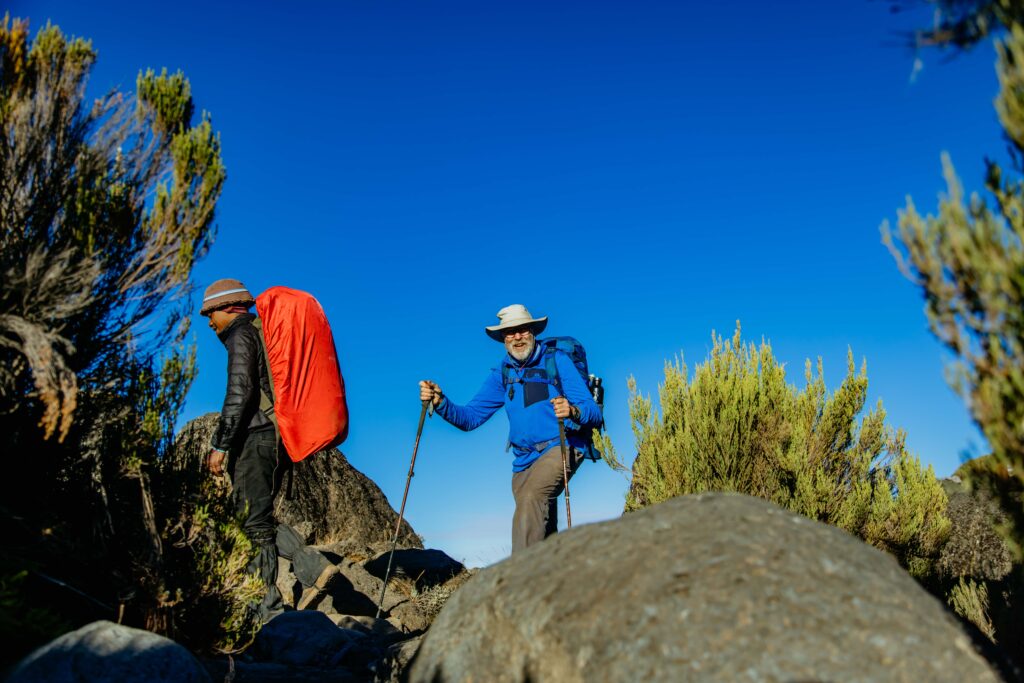
Almost everyone who climbs Kilimanjaro feels the altitude in some way. A mild headache at Shira or Barranco Camp is normal. The goal is not to avoid every symptom, but to recognise when symptoms are getting worse and act early. This guide covers what altitude sickness is, how to reduce your risk and how our guides look after climbers on the mountain.
This article is general information, not medical advice. Talk to your doctor before your climb, especially if you have heart or lung conditions or take regular medication.
What causes altitude sickness
As you climb higher, air pressure falls, and each breath delivers less oxygen to your lungs. At Uhuru Peak (5,895 m), the effective oxygen level is about half of what it is at sea level. Your body responds by breathing faster, raising your heart rate and, over several days, producing more red blood cells.
Altitude sickness happens when you gain height faster than your body can adapt. It can affect anyone, regardless of age or fitness. Fit people sometimes have more trouble, because they walk too quickly.
The three forms of altitude illness
Acute Mountain Sickness (AMS)
AMS is common and usually mild. It typically starts 6 to 12 hours after arriving at a new altitude. Symptoms include:
- Headache
- Loss of appetite or nausea
- Tiredness beyond what the walking explains
- Dizziness or light-headedness
- Poor sleep
Mild AMS usually improves with rest, fluids and a day at the same altitude. It should not get worse as you continue. If it does, you need to stop climbing.
High Altitude Cerebral Edema (HACE)
HACE is fluid on the brain. It is rare but serious. Warning signs are confusion, loss of coordination (stumbling, unable to walk in a straight line), severe headache that does not respond to painkillers, and unusual behaviour. HACE needs immediate descent.
High Altitude Pulmonary Edema (HAPE)
HAPE is fluid in the lungs. Signs include breathlessness at rest, a persistent cough (sometimes with pink or frothy sputum), a rattling sound when breathing, and extreme fatigue. Like HACE, it requires immediate descent.
How to lower your risk
Choose a longer route
This is the single most effective step. Routes of 7 to 9 days, such as Lemosho or the Northern Circuit, gain altitude slowly and include “climb high, sleep low” days. Our 95% summit rate on Lemosho reflects this.
Walk slowly
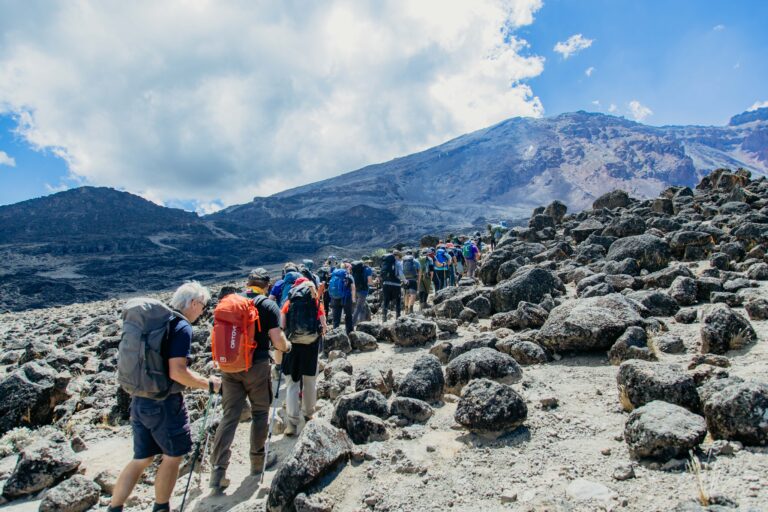
Guides set the pace for a reason. “Pole pole” means slowly, slowly. You should be able to hold a conversation while walking. If you are out of breath, you are going too fast.
Drink enough water
Aim for 3 to 4 litres a day. The air at altitude is dry, and you lose water through breathing. Dehydration also causes headaches, which makes it harder to tell what is altitude and what is thirst. Your crew boils and treats water each day.
Eat, even when you are not hungry
Appetite drops at altitude. Your body still needs energy, especially carbohydrates. Eat what you can at each meal and carry snacks you like.
Avoid alcohol and sleeping pills
Both slow your breathing during sleep, which reduces oxygen levels at night.
Pre-acclimatise if you can
Climbing Mount Meru (4,566 m) over 3 or 4 days before Kilimanjaro gives your body a head start. Some climbers also spend nights at altitude in their home country before travelling.
Diamox (acetazolamide)
Diamox is a prescription medicine that speeds up acclimatisation by making your blood slightly more acidic, which encourages faster breathing. Many climbers take a low dose starting a day before the climb. It can reduce the chance and severity of AMS.
Side effects include tingling in fingers and toes, more frequent urination and a changed taste in fizzy drinks. It is not suitable for people with a sulfa allergy. Diamox does not replace a sensible itinerary and it does not hide serious symptoms. Discuss it with your doctor before travelling, and try a dose at home to see how you react.
What our guides do on the mountain
Our guides are trained in mountain first aid and altitude illness. On every climb they:
- Check each climber twice a day with a pulse oximeter, recording oxygen saturation and heart rate.
- Ask about headache, appetite, sleep and nausea, using the Lake Louise scoring system.
- Watch how you walk, talk and eat. Small changes in behaviour can be early signs of HACE.
- Carry emergency oxygen and a first-aid kit.
- Make the call to descend when symptoms are serious. This decision is about your safety and is not negotiable.
Be honest with your guide about how you feel. Many climbers hide symptoms because they are afraid of being sent down. Guides can often help with mild symptoms if they know early, for example by adjusting pace or adding rest.
What happens if you need to descend
Descent is the treatment for serious altitude illness. Going down even 300 to 500 m often brings fast improvement. An assistant guide will accompany you down while the rest of the group continues, so others do not lose their summit attempt. In an emergency, rescue teams can evacuate climbers by stretcher or, from some points on the mountain, by helicopter.
This is why travel insurance with cover for trekking up to 6,000 m and helicopter evacuation is essential.
Summit night
Summit night is where most altitude problems show up. You go from about 4,600 m at Barafu Camp to 5,895 m in 6 to 8 hours, in the cold and dark, after little sleep. Headaches and nausea are common. Guides walk close to each climber and check on you often. If you start showing signs of HACE or HAPE, you will be turned around, even if the summit is close.
Frequently asked questions
Can fit people get altitude sickness?
Yes. Fitness does not protect you from altitude sickness. It helps with the walking, but acclimatisation depends on time and genetics.
At what height does altitude sickness start?
Some people feel symptoms from about 2,500 m. On Kilimanjaro, most climbers notice the altitude from the second or third day.
Should I take Diamox for Kilimanjaro?
Many climbers do. It is a personal choice to make with your doctor, based on your health and the route you choose.
Can I continue with a mild headache?
Usually yes, if it goes away with rest, water and a painkiller, and you have no other worsening symptoms. Tell your guide.
What is a normal oxygen reading on Kilimanjaro?
Readings drop as you climb. In the 80s at high camp is common. Guides look at trends and symptoms together, not one number.
Trips you can book
Articles on Ahsante Tours are written by our team in Moshi and checked by our guides, in line with our Editorial Policy.

Want help planning your trip?
Our team in Moshi plans Kilimanjaro climbs, safaris, cycling tours and Zanzibar stays. Tell us your dates and we will suggest a route and price.